

Maintain Warmth with Reliable Boiler Efficiency Repair Tips
When the chill of winter creeps in, nothing beats the cozy warmth of a well-functioning boiler. But what happens when your boiler starts acting up? Suddenly, that comforting heat feels miles away. I’ve been there, and trust me, keeping your boiler in tip-top shape is easier than you think. Let’s dive into some practical, reliable tips to maintain warmth and boost your boiler’s efficiency.
Why Boiler Efficiency Repair Matters
You might wonder, why fuss over boiler efficiency? Well, a boiler that runs efficiently doesn’t just keep you warm - it saves you money and reduces wear and tear. Think of it like tuning up your car before a long road trip. If you skip it, you risk breakdowns and higher fuel costs. The same goes for your boiler.
An efficient boiler uses less fuel to produce the same amount of heat. That means lower energy bills and fewer carbon emissions. Plus, it extends the life of your system, so you’re not shelling out for a new boiler every few years. Sounds like a win-win, right?
Here’s a quick checklist to keep your boiler running smoothly:
Regular servicing: Schedule annual check-ups with a certified technician.
Bleed your radiators: This removes trapped air, improving heat circulation.
Check the pressure: Keep it within the recommended range (usually 1-2 bars).
Insulate your pipes: Prevent heat loss, especially in colder areas like basements.
Use a smart thermostat: It helps regulate temperature efficiently.
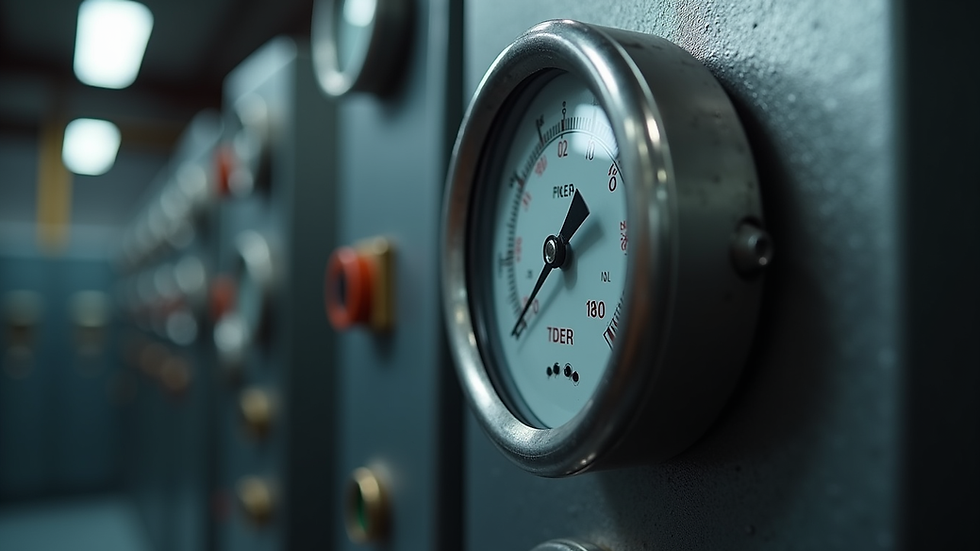
Keeping an eye on your boiler’s pressure gauge can prevent many common issues.
Simple DIY Tips to Boost Boiler Efficiency Repair
You don’t always need a professional to keep your boiler in shape. Some simple DIY steps can make a big difference. For example, bleeding your radiators is a quick fix that many overlook. When air gets trapped inside, your radiators won’t heat up properly, making your boiler work harder.
Here’s how to do it:
Turn off your heating system and let the radiators cool.
Use a radiator key to open the valve slightly.
Listen for a hissing sound as the air escapes.
Once water starts to drip, close the valve tightly.
Turn your heating back on and check if the radiator heats evenly.
Another handy tip is to check your boiler’s pressure regularly. Low pressure can cause your boiler to shut down, while high pressure might lead to leaks. Most boilers have a pressure gauge on the front panel. If it’s outside the recommended range, consult your manual or call a pro.
Also, don’t forget to keep the area around your boiler clean and free from clutter. Dust and debris can affect its performance and even pose safety risks.
Can all plumbers service boilers?
You might think any plumber can fix your boiler, but that’s not always the case. Boilers are complex systems that require specialized knowledge and certification. In many places, including here, only Gas Safe registered engineers are legally allowed to work on gas boilers.
Why does this matter? Well, an unqualified person might miss critical issues or even cause dangerous situations like gas leaks. So, when you need boiler repair, always check credentials. Ask for proof of Gas Safe registration or equivalent certification.
If you’re unsure, it’s better to err on the side of caution. A qualified technician will not only fix the problem but also perform safety checks and maintenance to keep your boiler running efficiently.
When to Call for Professional Boiler Repair
Sometimes, no matter how handy you are, it’s time to call in the experts. Here are some signs that your boiler needs professional attention:
Strange noises like banging, whistling, or gurgling.
The pilot light keeps going out or changes colour.
Radiators aren’t heating evenly or at all.
Water leaks around the boiler or pipes.
The boiler frequently switches off or won’t start.
Your energy bills suddenly spike without explanation.
Ignoring these signs can lead to bigger problems and costly repairs down the line. Plus, a malfunctioning boiler can be a safety hazard. So, if you notice any of these issues, don’t hesitate to schedule a boiler repair service.

Professional inspection ensures your boiler stays safe and efficient.
Maintaining Your Boiler Year-Round
Boiler care isn’t just a winter thing. Regular maintenance throughout the year keeps your system in shape and ready for the cold months. Here’s a seasonal guide to help you stay ahead:
Spring: Flush your system to remove sludge and debris. Check for leaks and corrosion.
Summer: Turn off the boiler if you won’t need heating. Schedule a professional service.
Autumn: Test your boiler and heating system before the cold hits. Bleed radiators and check pressure.
Winter: Monitor your boiler’s performance closely. Keep vents and flues clear of snow or ice.
Also, consider installing carbon monoxide detectors near your boiler. It’s a simple safety step that can save lives.
Keep Warm and Save Money with Smart Boiler Habits
At the end of the day, your boiler is your home’s heart during cold months. Treat it well, and it will keep you warm without breaking the bank. Simple habits like lowering your thermostat by a degree or two, using radiator reflectors, and closing doors to unused rooms can make a noticeable difference.
Remember, a little attention goes a long way. Whether it’s a quick DIY fix or calling in a pro for a thorough check, maintaining your boiler’s efficiency is key to comfort and savings.
So, next time you feel that chill, you’ll know exactly how to keep the warmth flowing. Stay cozy!


Comments